


Metal Detector Find Cleaning: Cleaning Finds
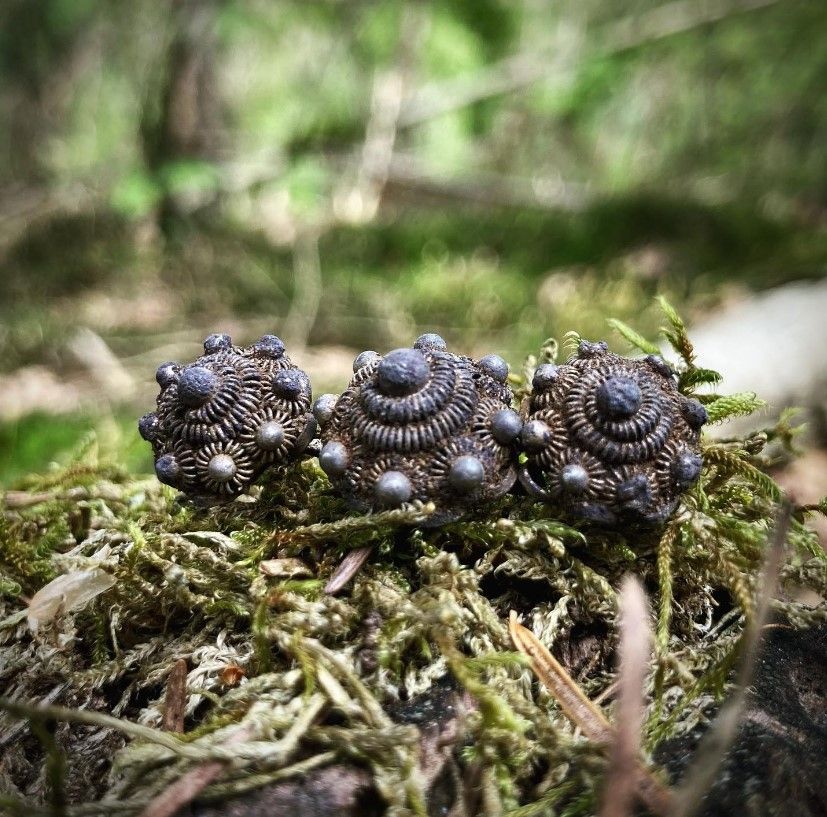
When you embark on an adventure with your metal detector, there's nothing better than finding historical artifacts. In Germany, there are various types of soil where relics can be found, such as sandy soil, peat soil, acidic soil, loamy arable soil, riverine clay soil, and marine clay soil. For many, cleaning finds after detecting, having them restored, or attempting it themselves is part of the hobby of treasure hunting with a metal detector. For some finds, cleaning or restoration can be very difficult. Some finds are even damaged or broken in the process. It's also often the case that a relic is much more beautiful in the condition it was found, and you only need to protect it from corrosion (the rusting process) or oxidation (the reaction with oxygen).

How do you clean found treasures?
If you've never properly cleaned your finds, it's easy to get overwhelmed by all the tips and tricks on the internet. In the Facebook group "Sondeln - Fundreinigung, Restauration und Konservierung" (Detecting - Find Cleaning, Restoration and Preservation), there's a lively exchange on this topic. As a beginner, you'll get excellent help there.
Join the Facebook group here - how to clean metal detector finds guide
What is preservation?
"Preservation" refers to maintaining the condition. You can decide whether to preserve the finds yourself, or have a find expert/archaeologist do it. Archaeologists further examine special finds and ensure their condition is maintained to permanently secure all relevant information.
Why should I preserve my finds?
The most important reason for preserving special finds is that it ensures the object is maintained for future generations. This means that research can still be carried out at a later date, for example, if new analytical methods have been developed that are not yet available today.
Not all finds are properly preserved. Having this done by an expert can incur costs, especially for rare objects and very extensive preservation measures. However, if an object is special and can provide a lot of information, it should definitely be preserved. Exhibiting the find, for example in a museum, can also be a reason for preservation. Of course, we also understand every detectorist who wants to display their finds, regardless of historical relevance, in their own home display case. Therefore, we provide some tips here on how best to clean and store your finds.
What methods are there for cleaning finds?

Ultrasonic cleaning device, recommended by Kapaan
To remove coarse dirt, it's best to place the find in the Kapaan ultrasonic device. The cleaning effect in the ultrasonic bath is created by sending sound waves through the water. This creates thousands of air bubbles that collide due to the sound waves. These collisions generate a small water current, which acts like a brush, washing dirt off the object. This has the advantage that the ultrasonic vibrations reach places you cannot reach by hand, without scratching or abrading. An ultrasonic cleaner is a device that must be filled with water or another liquid. The device then automatically cleans the finds using these ultrasonic vibrations. An ultrasonic cleaner is excellent for cleaning metal finds such as rings, necklaces, watches, bracelets, coins, glasses, earrings, keys, and much more. Your finds will be like new again!
Buy the Kapaan ultrasonic cleaner here!

Lortone Tumbler Drum Machine
A tumbler can be excellently used to remove stubborn dirt. Using a tumbler is very simple: fill the drum about three-quarters full with water, add a drop of dish soap and some polishing grit. Then place the finds to be cleaned in the drum, put the lid on, and let it tumble. Pay attention to which grit or balls you use, as they all lead to different results. The duration of the process depends on personal preference. It is advisable to check in between whether you are already satisfied with the result.
*Be careful not to clean your beautiful old finds in the tumbler. The patina will completely disappear, which can significantly reduce the value of your find. Also, do not use cola or chemical cleaning agents to clean your historical finds.
Click here for the QT12 tumbler

Coin cleaning block
This 3D printed block is excellent for cleaning found coins. Loosen the screw slightly and find the right size for your coin. Insert the coin and tighten the screw again. This way you can hold the block with one hand and clean the coin finds, for example with cleaning pens. Suitable for coins with a diameter of 15 to 30 mm.
Practical cleaning pens by Le crayon à André
Today, there are many different tools for cleaning finds. Many people like to use the cleaning pens from Le crayon à André for cleaning found coins. There are pens in 6 different versions:
- Cleaning pen with triangular tip
High-precision work, allowing you to clean the smallest details such as eyes, hair, titling, etc.
- Scalpel pen
With the copper tip, you can carefully scrape off coarse dirt without damaging the patina.
- Polishing brush double-sided (non-refillable)
Used for even polishing.
- Thick cleaning pen
Hard material consisting of a fusion of brass and steel combined with a special rubber and crystal compound. This removes stubborn dirt.
- Thin cleaning pen
This pencil has the same composition as the thicker cleaning pen but has a finer tip for working on smaller details.
- Fiberglass pen
With this cleaning pen, you can professionally clean old coins or other ground finds without damage.
If the pens become dull, they can simply be sharpened with a normal sharpener or sandpaper. However, the steel wool pen (polishing brush) must NOT be sharpened. For this, the filling is simply slowly pulled out with a rotating motion.


Leave a comment
All comments are moderated before being published.
This site is protected by hCaptcha and the hCaptcha Privacy Policy and Terms of Service apply.