


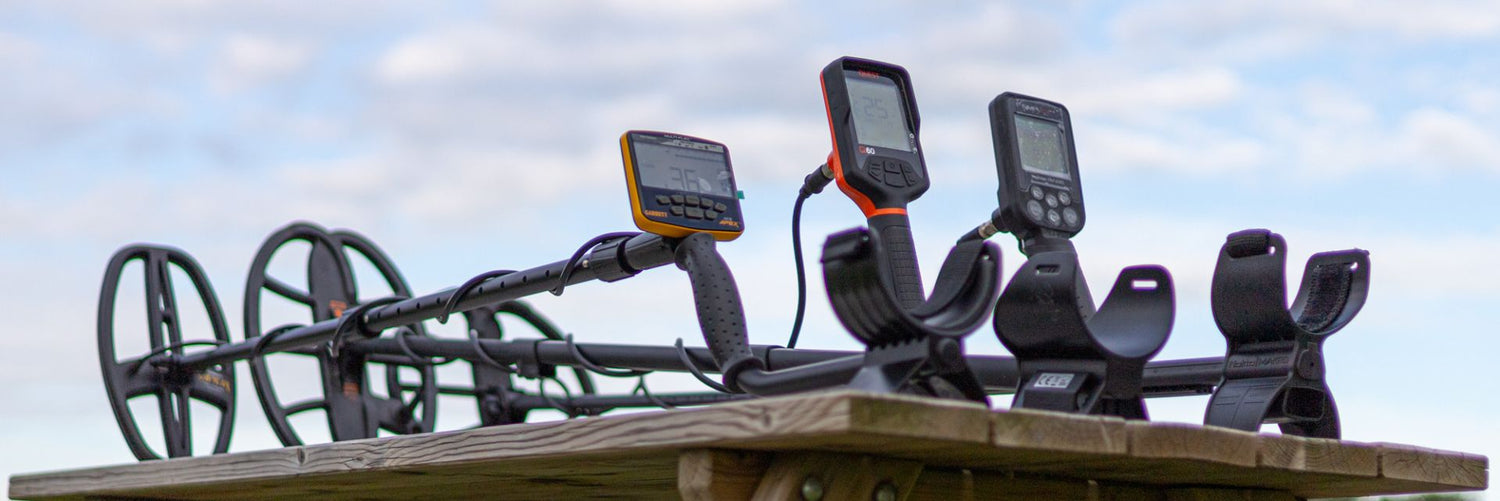
A metal detector (also: "metal probe" or "metal-seeking device") is a technical device for detecting any metals in the ground. The metal detector's functionality is based on emitting electromagnetic frequencies from the search coil into the ground, which are partially reflected by metal objects. These reflected waves are registered by the search coil and processed in the metal detector's control unit. This allows for a simple explanation of how metal detectors work. In the event of a signal, the metal detector alerts through audio signals and/or a display, which provides a rough idea of what a metal detector can detect, such as specific metals or even specific objects. This technical device can thus be used for treasure hunting.

Types of Metal Detectors
In addition to hobby metal detectors, such as the one shown in the image above, there are many different types of metal detectors for sometimes very different purposes. The first to mention here are "pinpointers." These are small handheld detectors that are very sensitive to small objects and precise. They are usually used in addition to a hobby detector to quickly and accurately locate the metal object in the excavated hole.

Other types of metal detectors include underwater metal detectors for diving, specialized detectors such as highly sensitive gold detectors for finding gold nuggets, or ground scanners for deep-seated, large objects and cavities. There are also security metal detectors for use at events, airports, etc. These include walk-through detectors and hand scanners. These metal-seeking devices function similarly to hobby detectors but are designed for specific applications.

The Hobby Metal Detector
In the hobby sector, there is a wide range of entry-level detectors, available from approx. €200, up to high-end metal detectors, which require budgeting €700 or more. The metal detectors from the largest quality brands like Nokta, Quest, Garrett, and XP differ not only in price but also in various aspects, such as:
- Search depth
- Weight
- Adjustment options
- Response speed
- Search modes
- Number of different tones
- Water resistance
- Material and minimum length of the telescopic rod
- Ease of use
- Display
- Scope of delivery
- Bluetooth
- Technology (e.g., multifrequency)
- Pinpoint function
- Material quality
- Size and type of search coil
- Battery capacity or type and number of batteries
- Search frequency
Hobby metal detectors are mostly versatile devices for metal searching that can handle most locations and objects. One can find all sorts of items such as jewelry, militaria, coins, and buttons, but will also encounter scrap and trash like bottle caps and pull tabs. The main thing is that the object consists partly of metal. Popular search locations include fields, farmland, beaches, playgrounds, and forests.
How deep does a metal detector search?
The search depth depends on many different factors. The most important points are the performance of the metal detector (software, search frequency, interference suppression, size of the search coil), the specific search area (ground mineralization, electromagnetic interference), and the object to be found (size, material). Brand detectors from manufacturers like Nokta, Quest, Minelab, Garrett, and XP usually find smaller objects like a 1-euro coin at depths of 20 to 40 cm. Larger objects like metal boxes are typically registered at depths of 100 to 150 cm. This information explains the functionality of metal detectors and provides an overview of how deep and what a metal detector can detect.
How to search with a metal detector
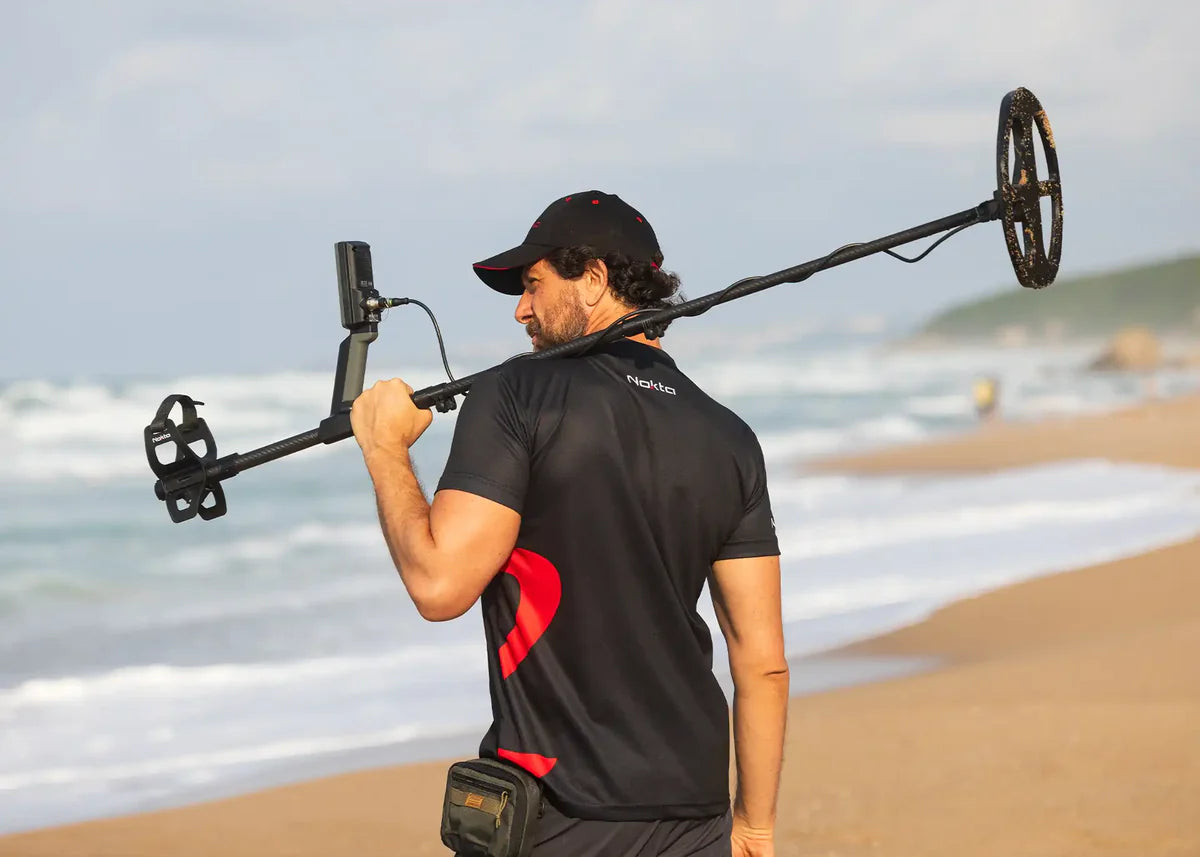
The metal detector is swung back and forth just above the ground while walking. When the search coil passes over a metal object, the metal detector emits a sound and displays a number, called the conductivity value, on the screen. Low tones represent low conductivity values, and high beeps also mean a high conductivity value. As a rule, detectorists prefer higher conductivity values or tones, as better conducting metals are often more valuable or special finds. The simple explanation of how metal detectors work makes it easy to understand how to successfully operate a metal-seeking device.
Our video on "What is a metal detector" and other videos on the basics of detecting can be found on our YouTube channel:
What is the best metal detector?
In our blog article "Metal Detector Test: Which is the best metal detector", you will find lists of the best probes for treasure hunting. We have tested all metal-seeking devices and compiled a list of the best metal detectors. Do you want to buy a metal detector? Then check our lists for the best metal detectors for beginners and the best professional metal detectors with the best search depth.
Further information:


Leave a comment
All comments are moderated before being published.
This site is protected by hCaptcha and the hCaptcha Privacy Policy and Terms of Service apply.