


The Solution for Arid Regions and Water Scarcity
Water is an essential source of life and arguably the most important natural resource. In arid regions, such as many African countries, access to clean drinking water can be a major challenge. Locating reliable water sources is crucial for establishing water wells that can supply local communities with much-needed drinking water and water for irrigation. But how does one find these water sources, and why is it so important to do so efficiently?
Why is it important to find water sources?
Finding water is not only vital for human consumption but also for agriculture and other essential industries. In many dry regions with low rainfall, groundwater often represents the primary water source. Efficient searching for water sources is therefore essential to save lives, support communities, and promote agriculture.
Types of Groundwater Sources
There are various types of groundwater, which vary depending on soil composition and geological structure. Groundwater can be found close to the surface or deep underground. However, it is important to understand that not all groundwater is suitable for consumption without additional treatment. A distinction is made between drinking water sources and those that require treatment.
- Aquifers: Underground layers of sand or rock that store water.
- Unconfined groundwater: Water in shallow aquifers that is recharged relatively quickly.
- Confined groundwater: Deep-lying water that is more difficult to access and has often been stored for long periods.
How to find a water source in the ground?
There are various methods for searching for groundwater. Traditional techniques such as analyzing vegetation and soil composition can provide clues to water. Nowadays, however, modern technology significantly facilitates the search.
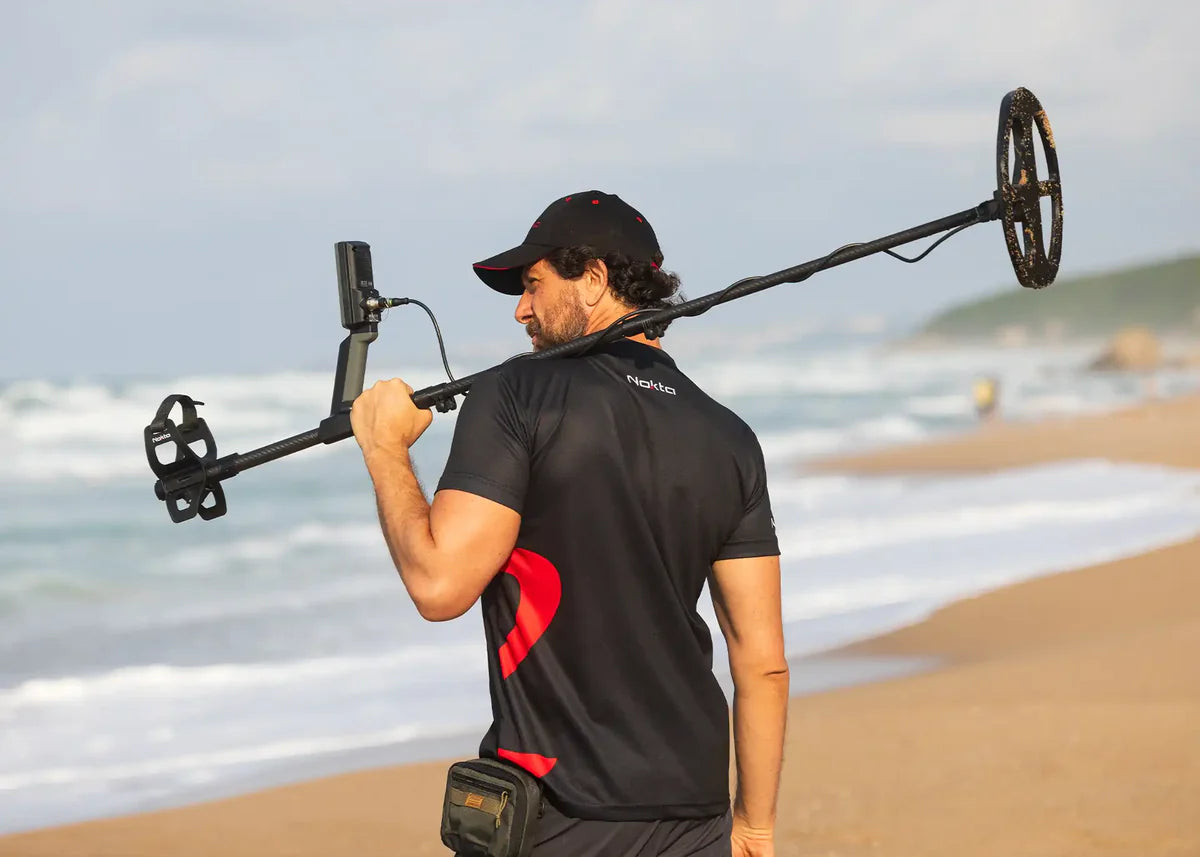
A water locator or groundwater detector can help locate water sources even in hard-to-reach areas. These devices measure changes in soil structure and record the quantity and depth of existing water.
Well Construction: The Process
Once a water source has been found, the next step is to construct a well. Depending on the location and type of water source, this can range from a simple excavation to a technically complex drilling operation. The choice of the right location is crucial for efficient and sustainable use of the water source.
Why are water locators and groundwater detectors essential?
A water locator or groundwater detector is indispensable for finding water sources in arid regions. These devices enable precise and rapid site determination, significantly reducing the time and cost involved in water prospecting. Without modern technology, it can take years to find a reliable water source – with high resource consumption and uncertain results.
A groundwater detector not only provides certainty in choosing the drilling location but also helps to discover deep-lying water sources that would be difficult to identify with traditional methods.
OKM Geoseeker Mini – Precise Deep Search

The OKM Geoseeker Mini is an advanced device for locating water sources and cavities.
- Maximum Depth: 100 meters
- Technology: Geoelectrical resistivity analysis
- Display: 2D diagrams with symbols
- Applications: Water extraction, archaeology, construction
OKM Waterfinder – The Efficient Solution for Arid Regions

The OKM Waterfinder is a powerful and user-friendly water locator, specially developed for arid regions with water scarcity, such as in Africa or other water-scarce areas.
- Maximum Depth: 80 meters
- Technology: Geoelectrical conductivity measurement
- Display: Automatic measurement with water content indicator
- Applications: Arid regions, water extraction, irrigation
Well Construction in Arid Regions
Constructing a well in desert regions or other water-scarce areas poses a particular challenge. The depth of the water source and the soil structure vary greatly, making the use of the right technology and equipment crucial.
With the right technology, such as a groundwater detector, efficient drilling sites can be determined – even under the most difficult conditions. Such a well can improve the lives of an entire community by providing clean water for drinking, irrigation, and daily needs.
Factors Affecting Groundwater Search
The search for water depends on several factors:
Geographical location, soil type and permeability, depth of the water table, existing natural water sources.
The use of professional water locators can help analyze these factors and significantly increase the success rate of water prospecting.



Leave a comment
All comments are moderated before being published.
This site is protected by hCaptcha and the hCaptcha Privacy Policy and Terms of Service apply.